Grand Prix Plaza, Las Vegas
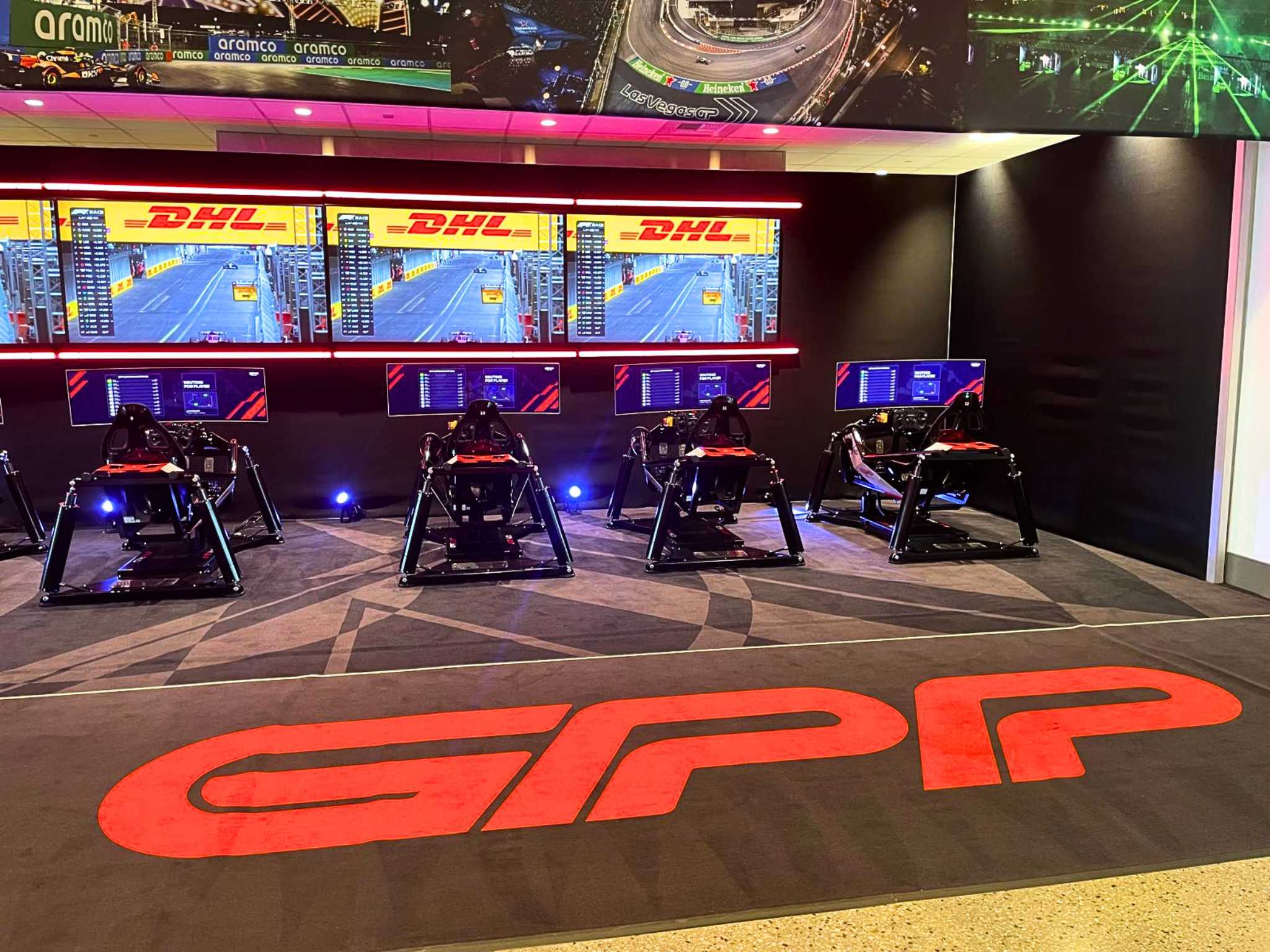
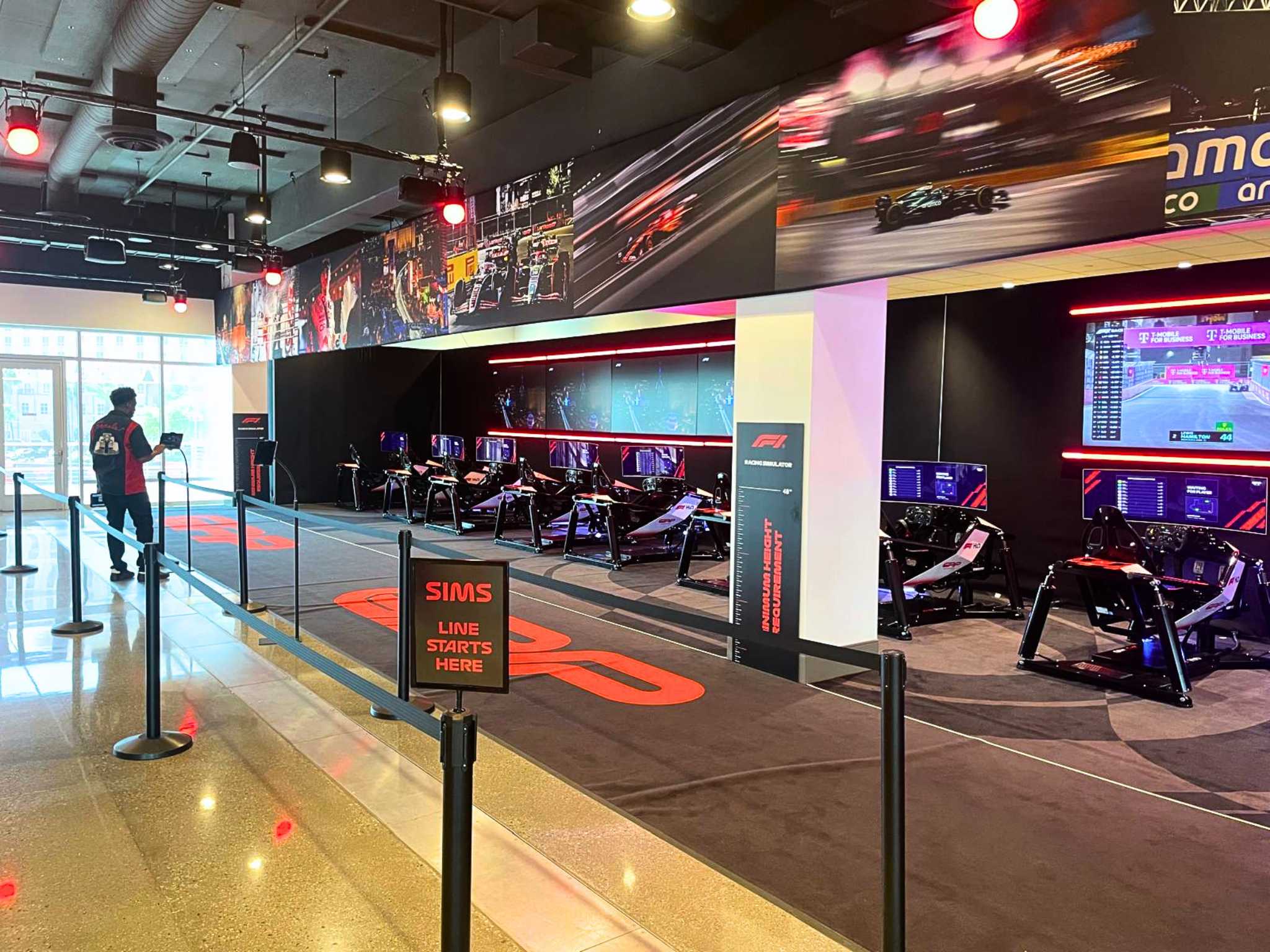
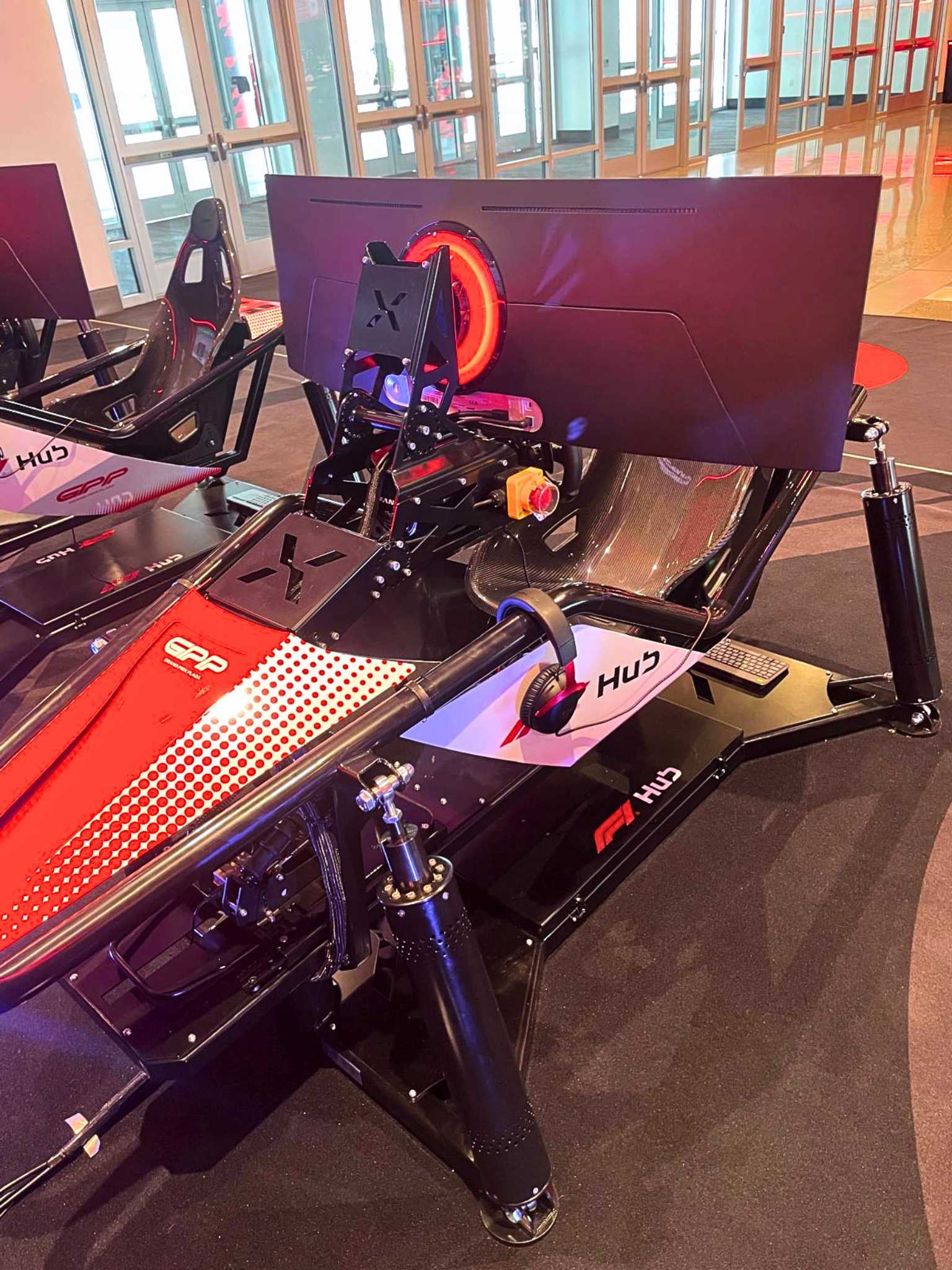
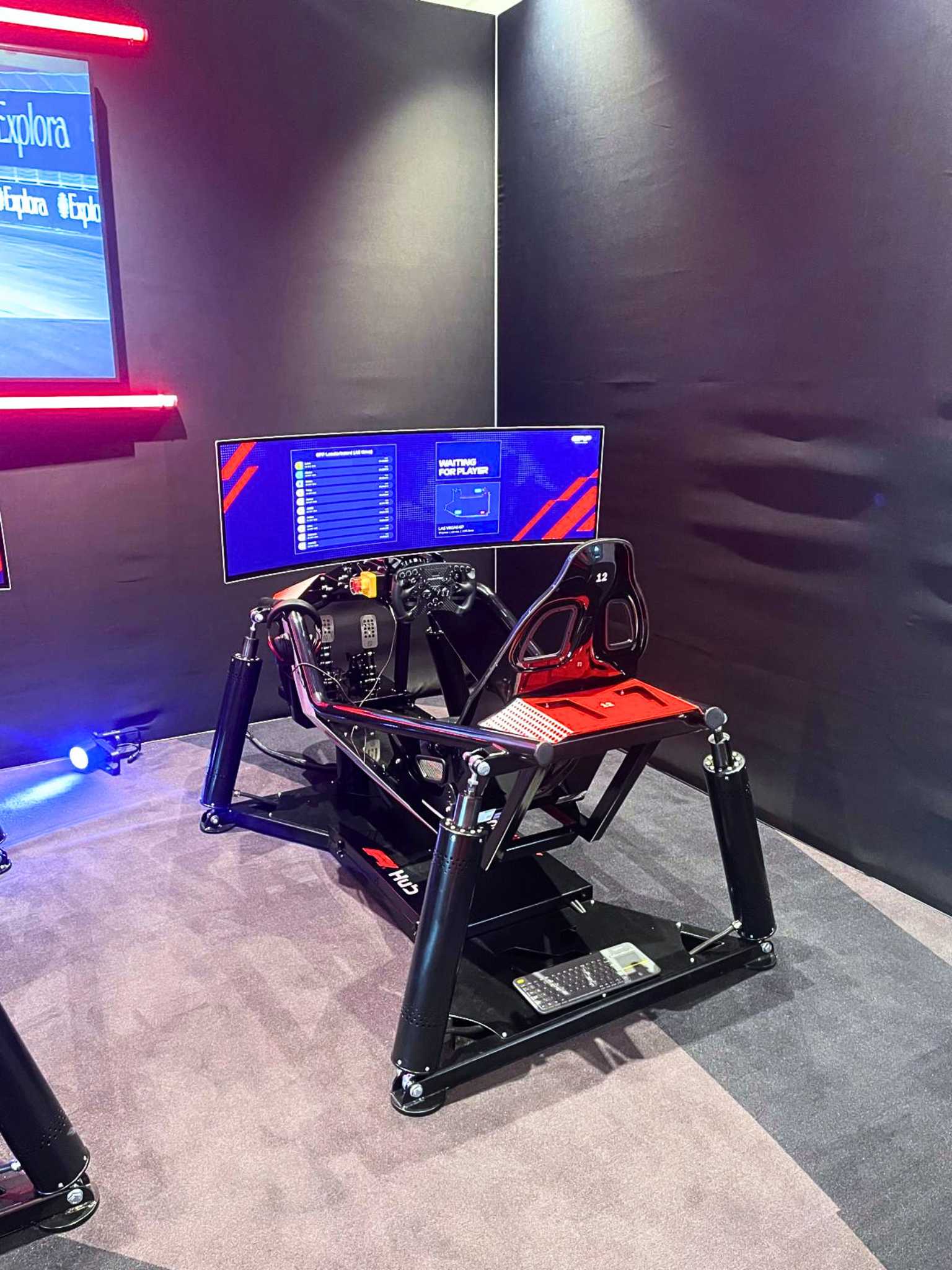
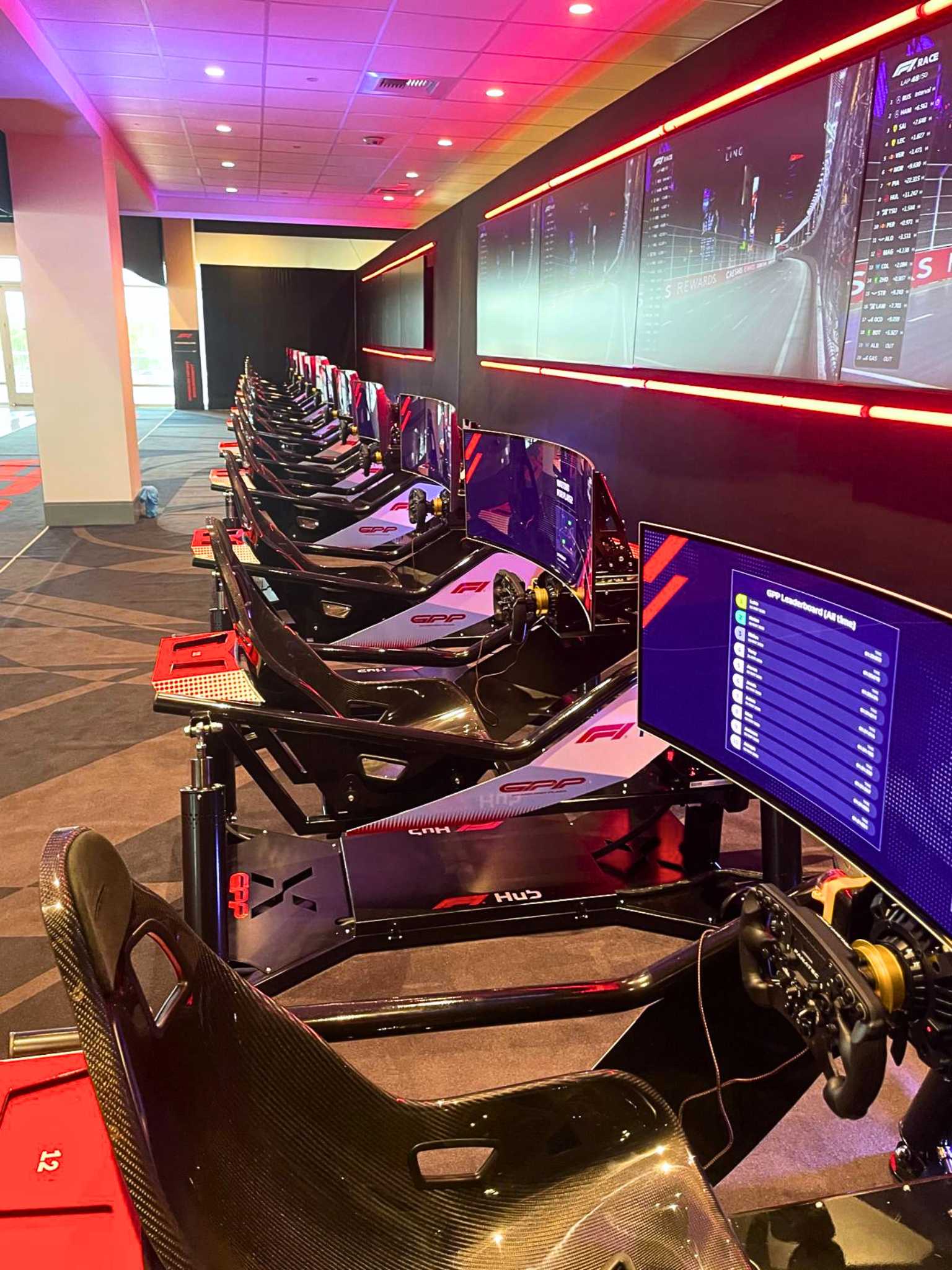
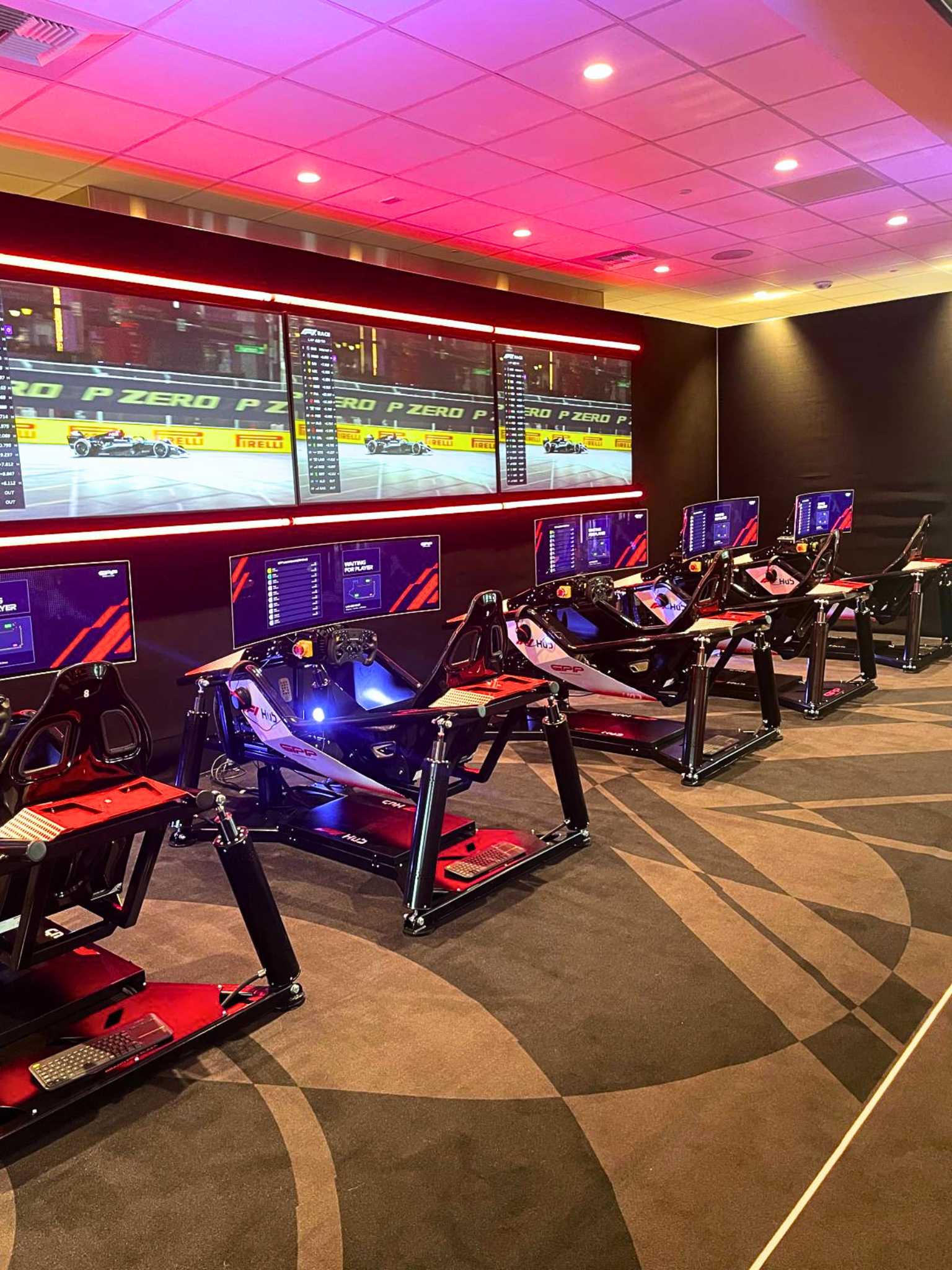
Exsim delivered 12 X6 motion simulators and Race Control software for Grand Prix Plaza, supporting high-volume public racing in Las Vegas.
At a Glance
Location
Las Vegas, Nevada, USA
Project Type
Simulator Installation
Exsim Scope
- Motion simulator installation
- Race Control software
- Simulator management, session flow and data capture
Simulator Setup
- 12 × X6 Motion Simulators
- EA SPORTS F1
- Exsim Race Control System
The Breif
Grand Prix Plaza required a large-scale F1 simulator zone capable of supporting continuous public use, strong visitor demand and different racing formats within a high-footfall destination.
The system needed to manage multiple motion simulators as one connected operation rather than as individual standalone units.
What We Delivered
Exsim installed 12 X6 motion simulators running EA SPORTS F1 and connected the full setup through Exsim Race Control System.
The system supports individual and linked racing, while Race Control manages simulator operation, session flow and data collection across the venue.
The Outcome
The simulator zone has now supported 81,544+ sessions and more than 400,000 laps raced, demonstrating the system's ability to operate at commercial scale in a high-volume visitor environment.