What Is a Motion Simulator? And Do You Actually Need One?
Motion simulators are everywhere in sim racing venues these days. They look impressive, they move around, and people queue up to try them. But what are they actually doing, and do they make you faster?
Motion simulators are everywhere in sim racing venues these days. They look impressive, they move around, and people queue up to try them. But what are they actually doing, and do they make you faster?
How Motion Simulators Work
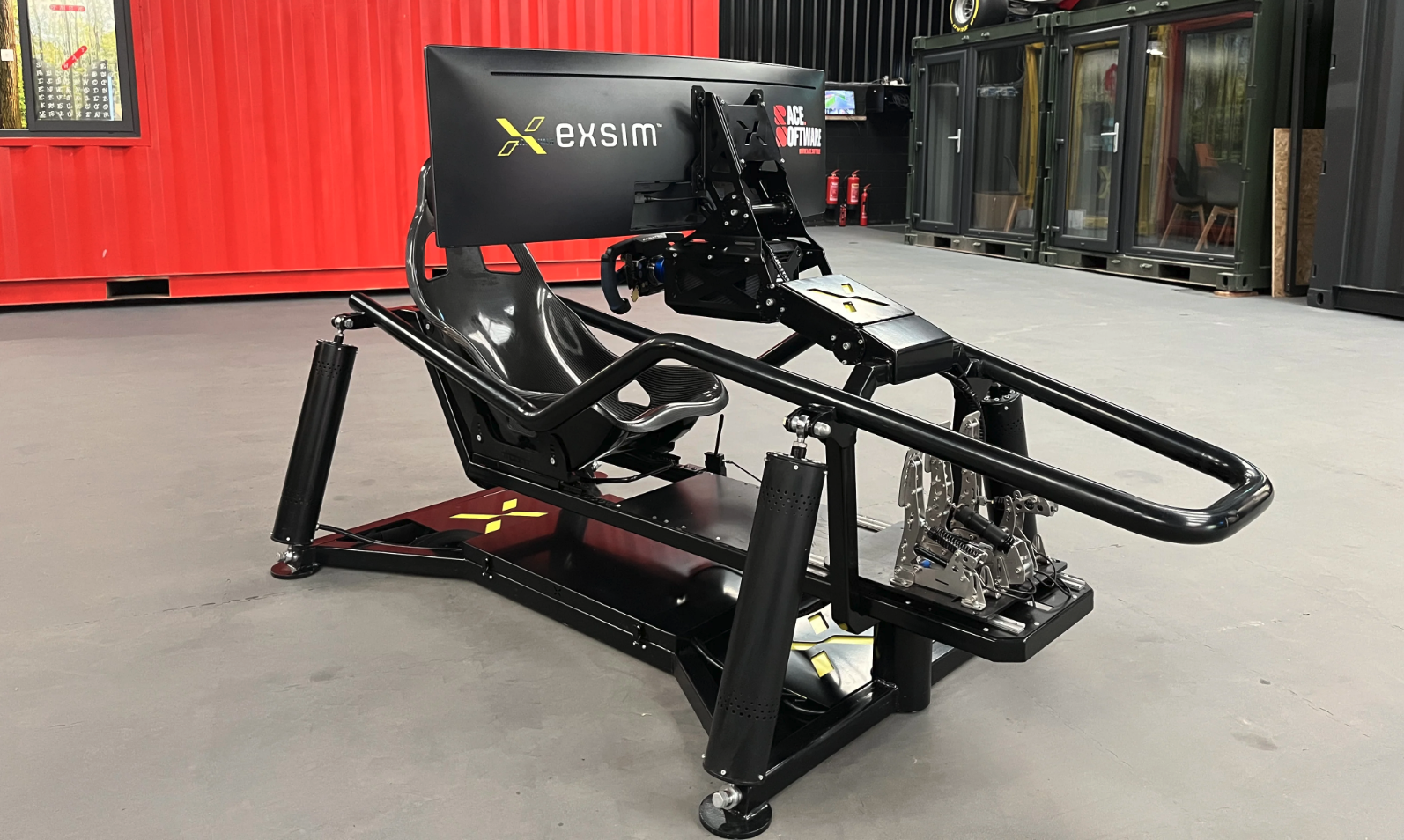
A motion racing simulator combines a standard sim racing setup: wheel, pedals, seat, screen, with a moving platform underneath.
The platform responds to what's happening in the sim. When you brake hard, it tilts forward. When you accelerate, it pitches back. Cornering creates lateral movement. Fast direction changes produce corresponding motion cues.
This isn't about throwing you around the cockpit. It's about adding physical feedback that connects your body to the driving. In real racing, your vestibular system processes G-forces and tells your brain what the car is doing. Motion platforms simulate those sensations.
Degrees of Freedom (DOF)
You'll hear motion platforms described by their degrees of freedom, usually 2DOF, 3DOF, or 6DOF.
2DOF (Two Degrees of Freedom): Pitch and roll. Forward/backward tilt and side-to-side tilt. Covers the main sensations in racing: braking, acceleration, and cornering load transfer.
3DOF (Three Degrees of Freedom): Adds yaw (rotation). Useful for feeling the car rotate through corners or when catching slides.
6DOF (Six Degrees of Freedom): Full movement in all directions including vertical motion (heave), front-to-back sliding (surge), and side-to-side sliding (sway). The most immersive but also the most complex and expensive.
For racing simulation, 2DOF and 3DOF platforms handle the essential sensations effectively. More DOF isn't automatically better, it depends on the motion cueing software and how well the system is tuned.
When Motion Makes Sense
Motion platforms serve specific purposes well.
Commercial Venues
If you're running a sim racing centre in the UK, motion typically makes commercial sense. The physical experience differentiates you from home setups and keeps customers coming back. Session fees justify the investment when the motion platform drives repeat business.
Professional Training
Some racing teams and driver training programmes use motion platforms for circuit familiarisation and technique development. The added sensory layer helps drivers build muscle memory before getting in the real car.
Home Setups
Motion platforms can work in home environments, but they come with practical considerations.
Space: Motion platforms need clearance for movement, typically 30-50cm beyond the cockpit footprint in all directions
Installation: Solid flooring matters. Motion systems work best on concrete or reinforced floors
Budget: Quality motion platforms represent significant investment beyond the base sim rig
Noise: Moving platforms generate mechanical noise, which affects shared living spaces
Many experienced sim racers run static rigs at home and access motion platforms at commercial venues when they want that experience.
Do You Actually Need Motion?
Honest answer: probably not for home use, unless you've got specific requirements and the space plus budget to match.
For commercial operations, motion makes genuine business sense. The physical experience draws customers and justifies premium pricing.
For home racers, investing in a quality static rig with excellent pedals and a direct drive wheel often delivers better lap time improvements than adding motion to a basic setup.
In the next article, we’ll take a closer look at motion simulation in practice, exploring what a modern motion platform can actually deliver, using the X6 as an example.
Related posts
You Might Also Like
What Is a Motion Simulator? And Do You Actually Need One?
Motion simulators are everywhere in sim racing venues these days. They look impressive, they move around, and people queue up to try them. But what are they actually doing, and do they make you faster?
What We Make: Exsim's Racing Simulator Range
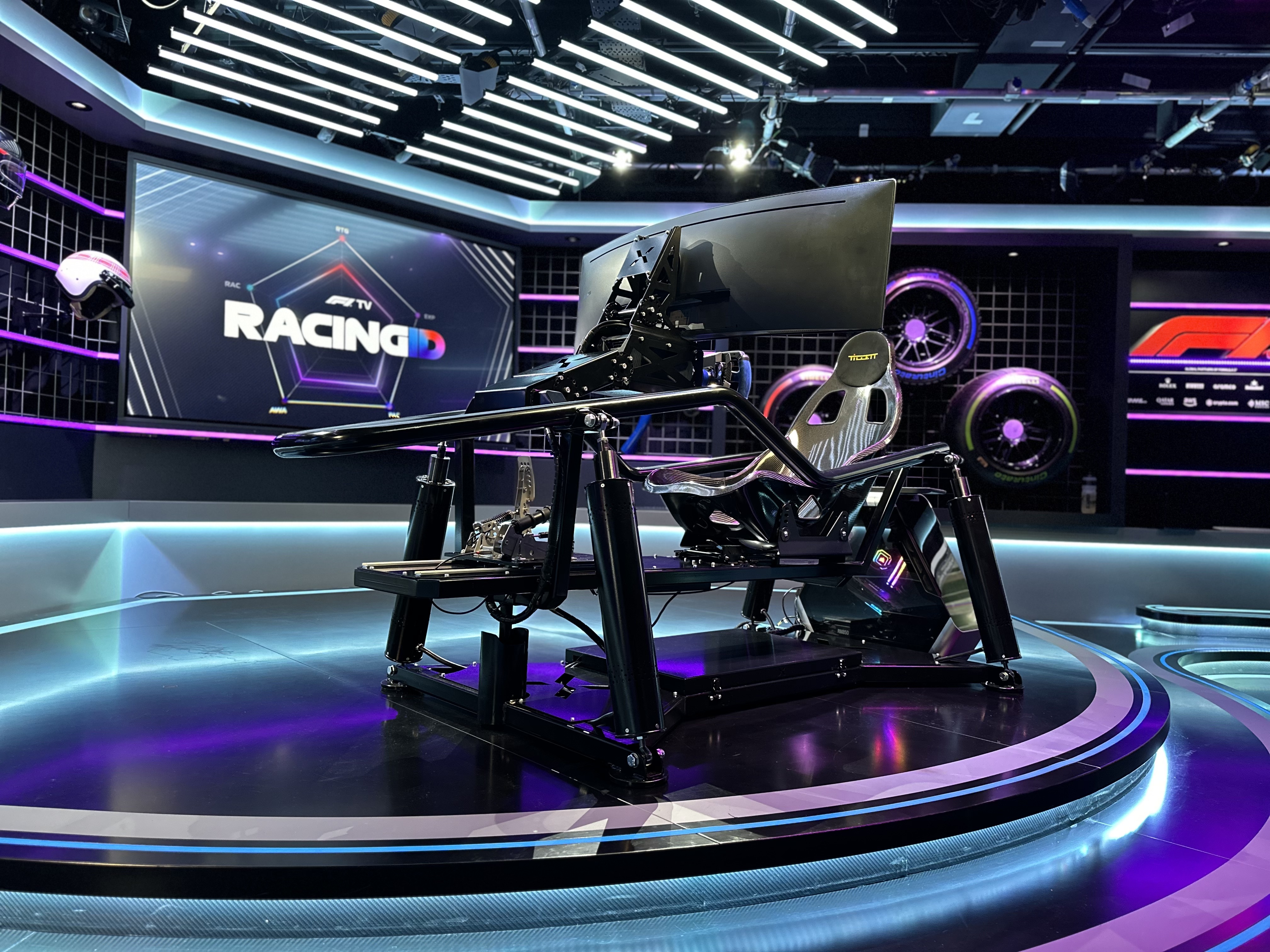
At Exsim, we focus on two main types of racing simulators: motion platforms and static rigs. Each does different things, suits different spaces, and serves different needs. Here's a quick look at both.

Welcome to Exsim: 15 Years of Racing Simulation Excellence
We've been designing racing simulators since 2009 because we care about one thing: authentic racing experiences. Not the flashy marketing stuff, the actual feeling of being in a proper cockpit, the precision when you hit the apex, and the reliability that lets you focus on driving.Fifteen years in, we've learned that good racing simulation isn't about cramming features. It's about understanding how people actually use these things. Whether you're chasing lap times at home, training real drivers, or running a commercial venue where the kit needs to work flawlessly every single day.